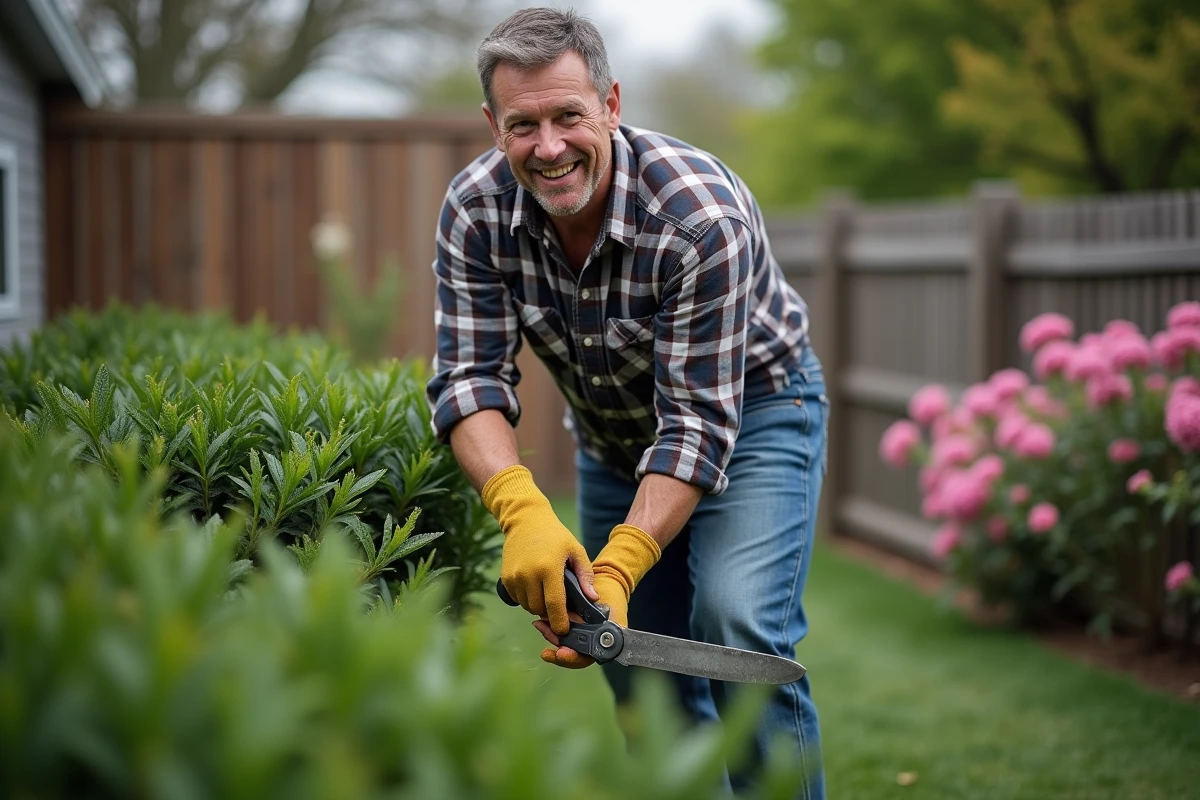
A hedge that overflows is not just a matter of aesthetics. Too many leaves, not enough air: fungal diseases settle in, branches suffocate. Some species can withstand a radical cut, while others never really recover. And if we intervene at the wrong time, the regrowth becomes wild, sometimes to the detriment of birds or insects that find refuge there. Mastering the calendar, respecting the cycle of each species, knowing the right tool: everything matters, nothing is improvised. The actions to adopt are adjusted according to the vigor of the hedge, its age, and its architecture. Choosing what to remove or not is already sketching the garden of tomorrow.
When a hedge becomes too wide: understanding the causes and stakes
It’s impossible to ignore: a hedge left unchecked eventually invades space, blocks light, encroaches on the lawn, and obstructs passage. Several factors explain this increase in volume: infrequent maintenance, a variety like thuja that grows unchecked, or sometimes a lack of understanding of each species’ needs. The rules are clear: the hedge regulations impose strict limits to preserve cohabitation between neighbors. Exceeding these thresholds risks annoying the neighborhood… or facing a demand to act.
The absence of regular pruning transforms the hedge into a compact mass, difficult to contain. Old branches become tough, making cutting more delicate. In the garden, a hedge that is too dense blocks light, suffocates neighboring plants, and encourages the proliferation of dead branches and invisible pests. The balance of the whole weakens, and the beauty of the garden suffers.
To address these hedge problems, the question is posed bluntly: how to prune a hedge that is too wide? Restoring a healthy structure, respecting the vitality of the plant, following the law, and caring for appearance requires method and thought. Here are the points to review before grabbing the pruners:
- Identify the species to adapt the cut.
- Respect the growth rhythm and seasonality.
- Ensure safety when working on thick branches.
For an appropriate cut, these elements should guide each intervention:
Regular maintenance is the promise of a structured, vibrant hedge that enhances the garden and makes room for biodiversity. Before taking out the tools, it’s worth reflecting on these stakes.
What gestures and tools to prioritize for effective and respectful pruning of the hedge?
Reducing an invasive hedge is not improvised: precision, know-how, and suitable equipment make all the difference. For young vegetation or tender shoots, hand shears remain the tool of choice. They respect the structure, allow for a sure gesture, and provide a clean result. When the hedge offers tough resistance, thick branches, and old wood, it’s better to bring out the heavy-duty pruners or the pole saw. This way, we avoid injuring the plant and creating entry points for diseases.
For long stretches or vigorous species, nothing beats an electric hedge trimmer: speed, consistency, efficiency. However, it’s essential to monitor the power to avoid damaging young shoots or exhausting oneself unnecessarily. Safety equipment is not optional: sturdy gloves, protective goggles, and covering clothing. Attention to gestures protects as much as attention to the plant.
Keep this golden rule in mind: the base should always be wider than the top. This slightly trapezoidal shape allows light to penetrate the heart of the hedge, avoids gaps, and encourages dense growth at the base. Work in stages, from the bottom up, trimming gradually. Trying to reduce too much at once risks exhausting the plant.
- Check the sharpness of the blades.
- Remove cuttings to limit stagnant moisture.
- Adapt height and width to local regulations.
To ensure a clean cut and respect the plant, keep these tips in mind:
Choosing the right tool and the right gestures is key to restoring the hedge’s balanced appearance and its role as a refuge for garden life.
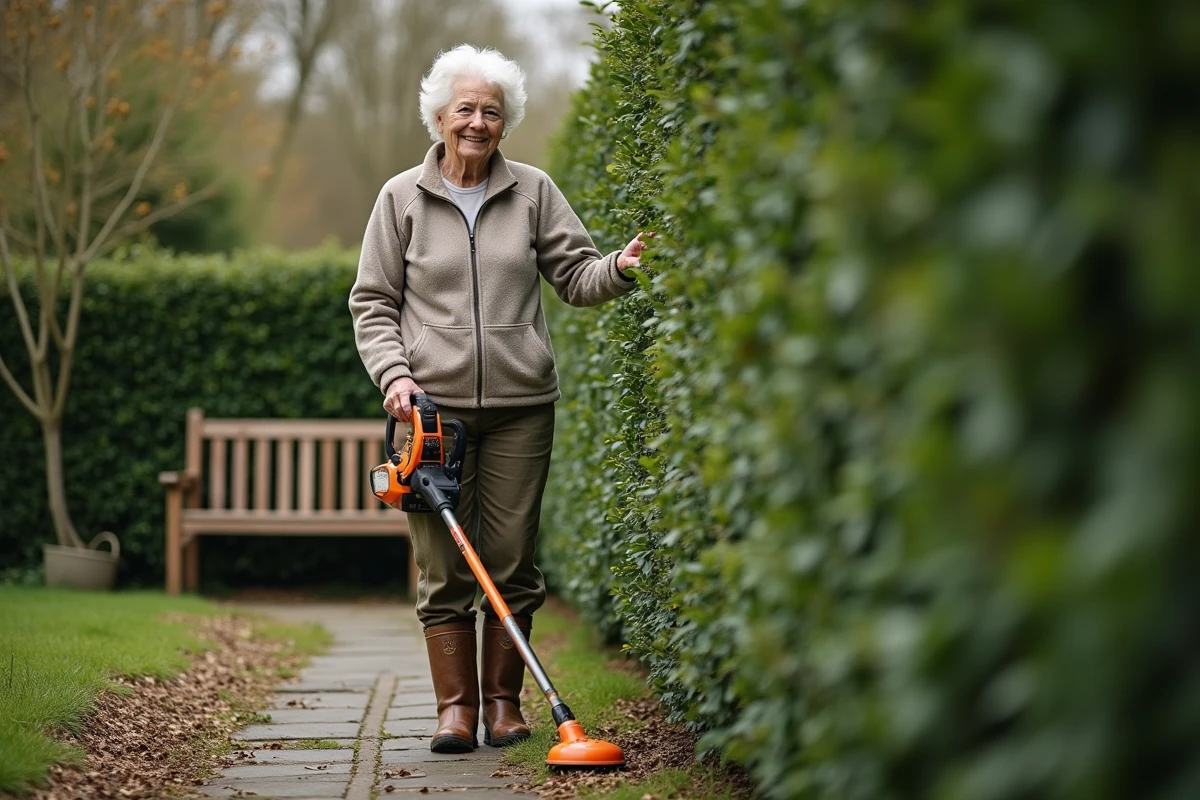
Planning the pruning: practical tips for a lasting and harmonious result
Nothing is left to chance in the success of a pruning. Choosing the moment is primarily about respecting the natural rhythm of the hedge. The end of spring or the very beginning of autumn corresponds to the periods when the plant recovers best. Frosty days, or those when the sap rises vigorously, should be avoided.
Monitor the evolution of new shoots: when their growth slows down, it’s the ideal signal to intervene. Deciduous and evergreen hedges react differently; each species requires a tailored approach. If maintenance is regular, there’s no need to force the cut: the plant retains its vitality without a brutal shock.
The organization of the work makes a difference. A taut string serves as a guide for a straight line. Prepare bags to collect green waste: nothing lingers, everything is recycled, either for compost or at the waste disposal site. For uniform pruning, proceed in sections of two to three meters; stop often to evaluate the silhouette, adjust if necessary. This pace avoids unpleasant surprises.
- Check the weather: a dry day reduces the risk of diseases.
- For very thick hedges, split the work over two seasons if necessary.
- Always respect local rules regarding height and placement, especially at property boundaries.
Consider these practical points for a calm and effective job:
The key is anticipation and consistency. A structured, bright, and healthy hedge is primarily a matter of preparation, patience, and regular attention. The gardener’s art is not instantaneous: it unfolds over time, like a promise of renewed beauty with each season.