
A specialized DIY magazine structures technical information by theme, difficulty level, and type of project. This editorial organization sets it apart from online searches where results mix 30-second videos, unverified forums, and commercial articles. The time savings come not from a shortcut, but from a direct access to a reliable method without prior sorting.
DIY technical sheets: why the magazine format remains effective
Short video tutorials on social media address specific questions. A 45-second format shows how to apply silicone sealant but says nothing about choosing the sealant based on the substrate, the application temperature, or the drying time depending on humidity.
A specialized magazine develops these parameters in a single file. The printed or digital technical sheet gathers the necessary materials, sequenced steps, and common mistakes on a single consultable medium without an internet connection, including on a construction site.
DIY enthusiasts who lack time often waste hours cross-referencing multiple online sources before getting started. Finding DIY tips with the DIY magazine in a coherent editorial format eliminates this phase of research and cross-checking.
The magazine format also imposes a constraint of proofreading and validation by specialized editors. An article on tile installation in a magazine like Système D or Bricolife undergoes technical verification that a forum post does not.
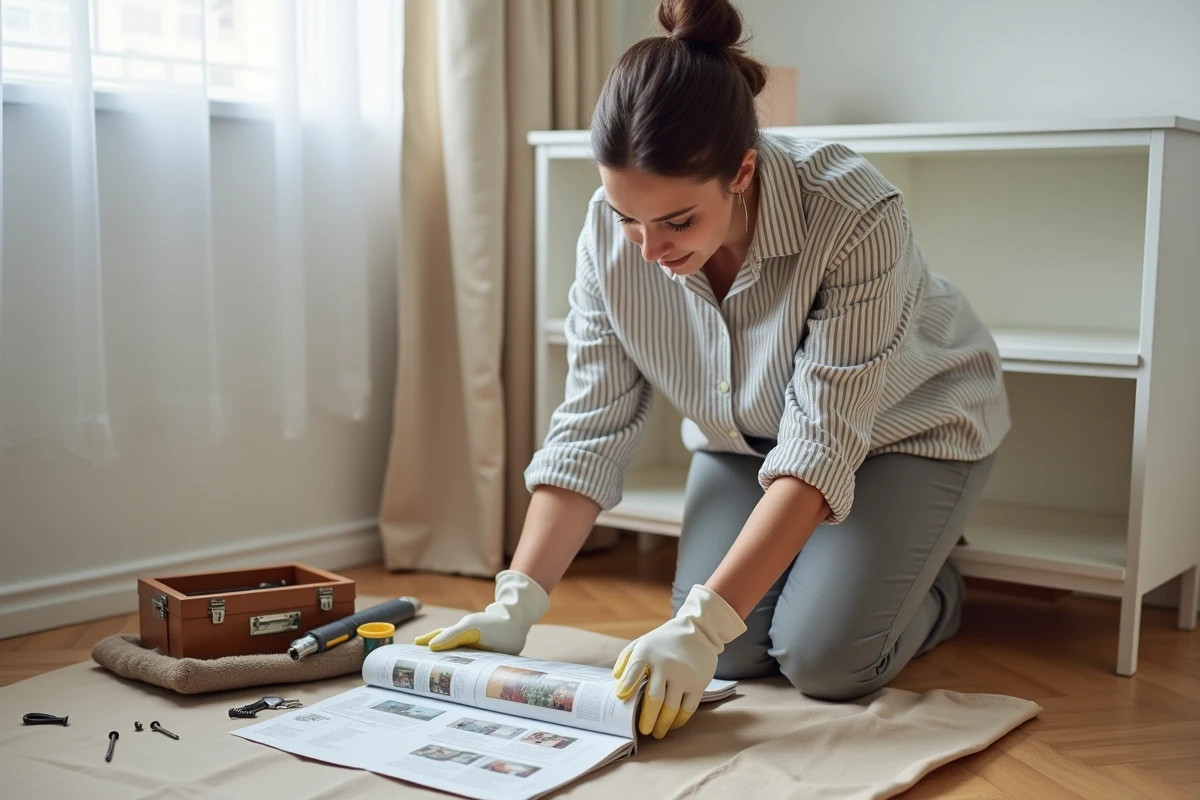
Learning DIY by project rather than by tool
Most online content categorizes tips by tool (screwdriver, circular saw, laser level). This approach forces the reader to piece together the complete progression of a project themselves. A magazine structured by project reverses the logic: the job dictates the tools, not the other way around.
Let’s take the renovation of an interior wall. A project-oriented file starts with diagnosing the substrate (plaster, concrete, brick), continues with preparation (filling, sanding), and then details the installation of the chosen covering. Each tool appears at the moment it is needed, in its real context of use.
What a complete project file covers
- The initial diagnosis of the substrate and preliminary checks (humidity, flatness, condition of existing fixings)
- The exhaustive list of materials with estimated quantities to avoid trips back to the store
- The chronological steps with drying or setting times to respect between each phase
- The intermediate checkpoints to detect an error before it becomes costly
This project-based structuring saves time because it prevents starting a job with an incomplete plan. A poorly prepared project takes twice as long as a well-framed project.
Energy renovation and DIY: technical files have become a priority
Regulatory constraints on homes classified F and G in energy performance diagnostics push many individuals to undertake certain insulation work themselves. DIY magazines have adapted their editorial line accordingly.
Files on attic insulation, replacing window seals, or installing reflective films behind radiators are multiplying. This type of technical content requires precise data on materials (thermal conductivity, fire rating, compatibility with substrates) that short online formats rarely cover.
An individual insulating their lost attic needs to know what thickness to apply based on their climate zone, how to treat thermal bridges at the joist level, and which vapor barrier to use. This technical information conditions the actual effectiveness of the work.
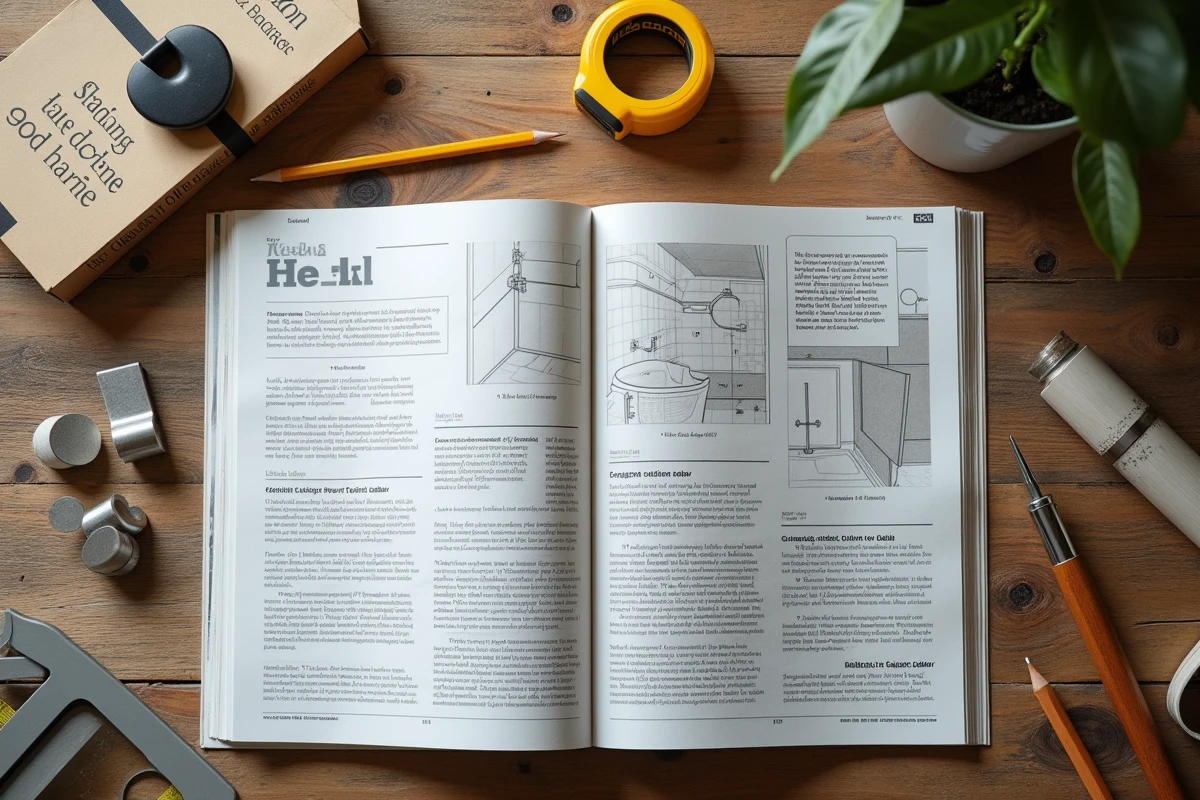
Specialized magazines publish comparative files between insulating materials (glass wool, cellulose wadding, expanded cork) with the characteristics of each. This synthesis work represents exactly the type of content that saves time compared to a compilation of disparate sources.
DIY magazine subscription: concrete selection criteria
Not all DIY magazines cover the same areas. Some focus on decoration and furniture makeovers, while others focus on heavy work (masonry, plumbing, electricity). Choosing the right subscription requires clarifying one’s DIY profile.
Criteria for selecting a suitable magazine
- The proportion of complete technical files compared to inspirational or decorative articles
- The presence of scaled plans, electrical diagrams, or detailed cuts in project sheets
- Access to digital supplements (demonstration videos, downloadable sheets) in addition to the paper format
- The frequency of publication and the renewal of themes in relation to one’s own projects
A well-chosen subscription pays for itself from the first project completed without errors. The value of a DIY magazine is not measured by the number of pages, but by the quality of the technical information that can be applied on-site.
Remote DIY coaching platforms, where a craftsman guides via video, complement these magazines. The magazine provides the method, while coaching resolves specific blockages. The two approaches complement each other without replacing one another.
The time saved on a home project depends less on manual skill than on the quality of preparation beforehand. A reliable technical file, proofread by specialists and structured in steps, remains the most direct way to avoid mistakes that prolong a project by several hours.