In a society where individual and collective well-being is often at the heart of debates, team sports generate keen interest for their potential role in improving quality of life. These activities, which combine physical exercise and social interaction, are praised for their positive effects on health, socialization, and the acquisition of transferable skills. They can also be sources of pressure, heightened competitiveness, and conflicts. A rigorous evaluation of the advantages and disadvantages of these sports practices is essential to understand their real impact on the flourishing of individuals and communities.
Impact of Team Sports on Psychological Well-Being and Social Cohesion
Team sports are often lauded for their ability to strengthen team spirit and promote social cohesion. Chantalle Mathieu, a researcher at INSEP, emphasizes that these collective activities not only value the unity of a group but also contribute to the mental health of individuals. Indeed, the benefits of team sports on mental and physical health are inseparable, as they draw from the sense of belonging and self-fulfillment within a collective.
François Poulin, a professor in the Department of Psychology, adds that team sports can enhance academic perseverance and civic engagement. This assertion resonates with the work of Anne-Sophie Denault, a professor at Laval University, who argues that involvement in sports activities from primary school strengthens social ties and promotes physical and psychological development.
Research also indicates that physical education structured around team sports is fundamental for the development of social skills such as communication, teamwork, and mutual respect. Indeed, team sports emphasize the team over individual performances, thus creating an environment where solidarity prevails over interpersonal competition.
The focus on team spirit should not overshadow the inherent challenges of practicing team sports. Studies point out the risks of internal conflicts, group pressure, and behavioral deviations. In a well-structured setting and with an appropriate educational approach, team sports remain a powerful vector for individual and collective well-being, capable of weaving lasting and beneficial social ties.
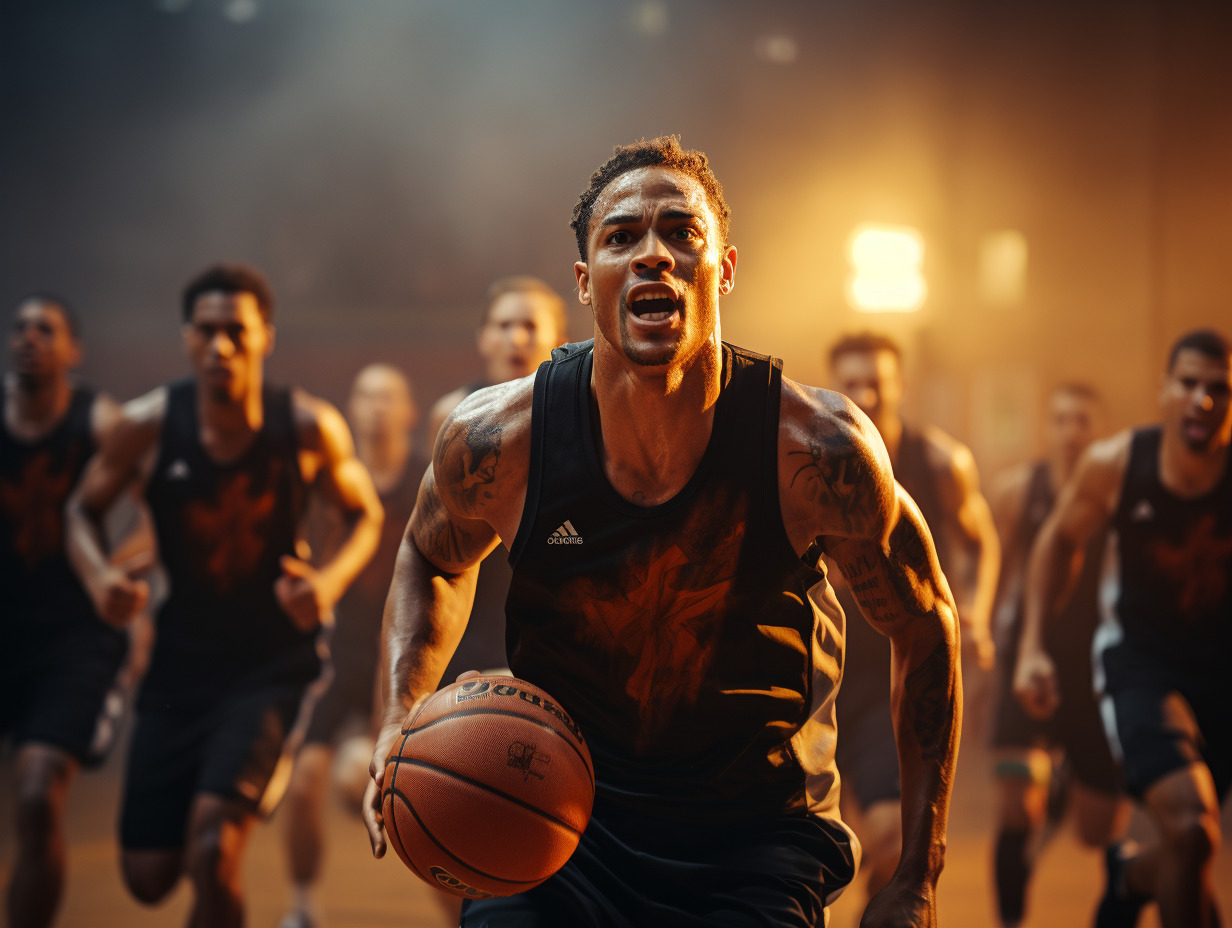
The Challenges and Constraints of Team Sports on the Individual and Group Dynamics
The practice of team sports, while echoing successful socialization, comes with significant challenges for participants. Gabriel Desroches, a doctoral student and author of a study on sports activities, draws attention to the phenomenon of higher alcohol consumption among team sports enthusiasts compared to those who engage in individual sports. This observation reveals a less flattering aspect of collective sports life, where group pressure and celebration rituals can sometimes encourage risky behaviors.
François Poulin, supported by funding from CRSH and FRQSC, published an article highlighting that, while team sports are not directly associated with the development of consumption problems, they can nonetheless create an environment conducive to experimentation and excess. Managing this risk thus becomes a crucial issue for coaches and sports institutions, which must promote moderation and responsibility within their teams.
On the other hand, team sports can, in certain situations, amplify performance pressure and exposure to collective failure. Unlike individual sports, where the child or adult is ‘in the spotlight’, team sports immerse the individual in a context where performance is intrinsically linked to that of other team members. This situation can create a significant psychological burden, especially in the event of defeat or poor collective performance.
It is therefore essential for coaches and organizers of team sports to enhance the positive aspects of group dynamics while mitigating the pressures and associated risks. Implementing psychological support programs, awareness campaigns, and team-building activities can contribute to a healthier and more balanced sporting environment, where the well-being of each individual is taken into account within the collective.