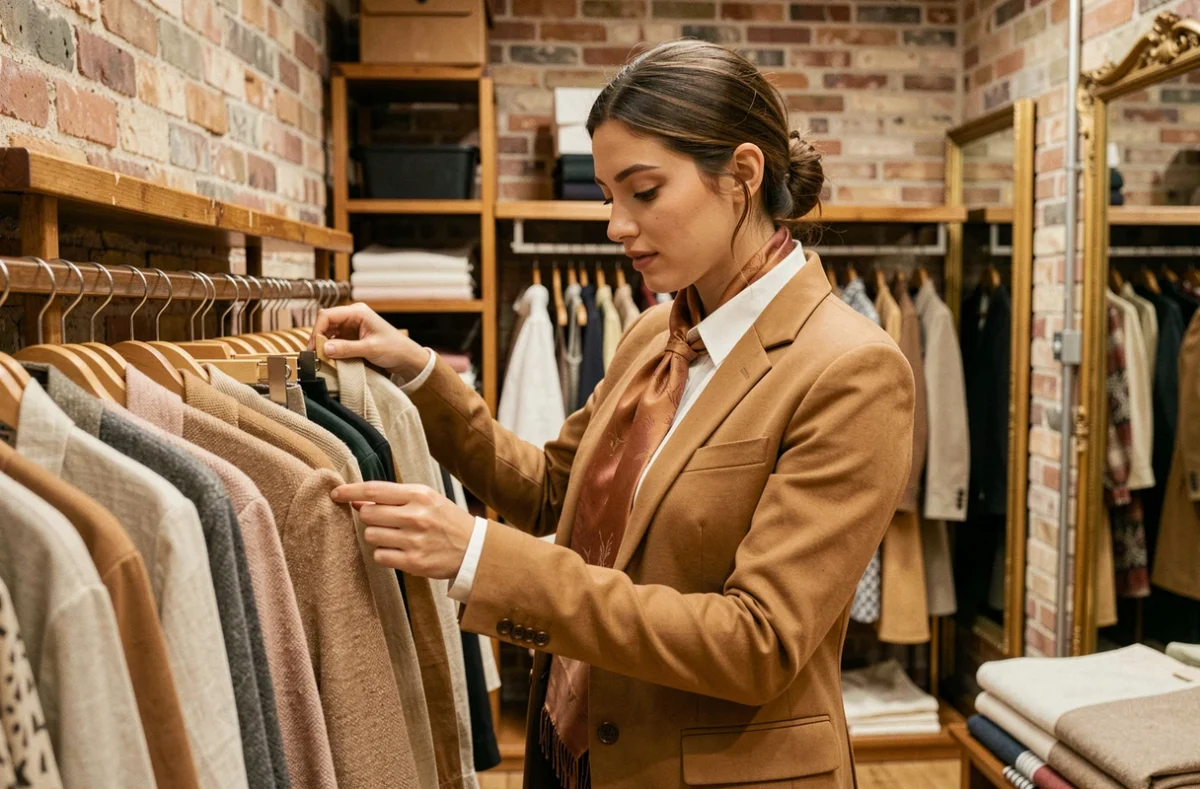
The European regulation on unsold textiles, which comes into effect on July 19, 2026, for large companies, reshuffles the cards of seasonal production. The fashion trends of this season are reflected as much in the choices of materials and silhouettes as in the sustainability constraints imposed on brands. We are observing a clear shift: unique style is no longer built solely on aesthetics, but on understanding the mechanisms that shape the available supply.
Textile Regulation and Impact on Seasonal Collections
The ban on destroying certain unsold items (clothing, accessories, shoes) pushes brands to fine-tune their ranges. Fewer references per collection, but pieces designed to last several seasons. The direct consequence for the wardrobe: the colors and cuts offered in stores are now conceived with a logic of reuse and resale integrated from the design stage.
This framework also applies to influencer promotions. Communications around fashion trends can no longer ignore the traceability of the highlighted pieces. Medium-sized companies will be subject to the same obligations starting in 2030, which suggests an additional tightening of the supply.
To keep up with these developments and identify pieces that stand the test of time beyond a season, the fashion universe on C Nouveau allows for cross-referencing inspirations with concrete sustainability criteria.
Sustainable Materials and Structured Cuts: The Winning Duo of the Season
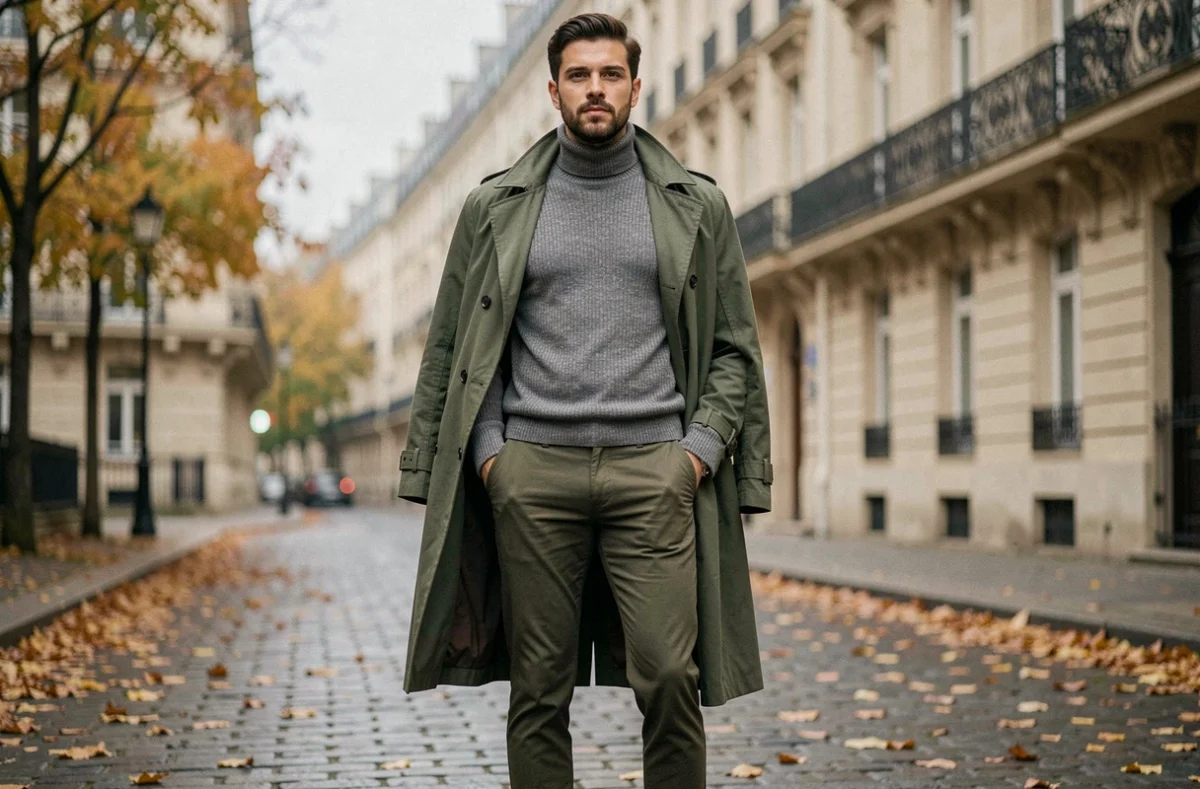
Recycled and bio-sourced materials dominate the new collections. Linen, organic cotton, and synthetic fibers from mechanical recycling are gaining ground against virgin polyesters. This shift is not cosmetic: brands that reduce their dependence on conventional raw materials anticipate the future obligations of the European regulation on extended producer responsibility (EPR textile).
In terms of silhouette, we recommend focusing on structured cuts rather than excessive volumes. The fitted dress at the waist, slightly flared straight trousers, and short jackets are returning with sharp proportions. These pieces transcend seasons without losing their relevance, a strong argument as brands themselves streamline their ranges.
The weight of fabrics is becoming a standalone purchasing criterion. A sufficiently dense fabric withstands repeated washes better and retains its shape longer. Checking the thickness by touch or consulting online technical sheets helps avoid disappointments after a few weeks of use.
Autumn Color Palette: Beyond the Classics
Bright colors are not disappearing, but their use is becoming more precise. Butter yellow and sage green remain present in autumn collections, while terracotta and deep burgundy shades are asserting themselves on key pieces (coats, wide trousers, midi dresses).
Pairing a bright color with a neutral base remains the most reliable method for a unique style without risk. A butter yellow sweater over charcoal trousers works better than a saturated total look that is difficult to recycle from one season to the next.
The trend towards tonal monochrome, which involves layering close shades of the same color, visually elongates the silhouette. This technique works particularly well with autumn hues and does not require purchasing specific pieces: it utilizes what already exists in the wardrobe.
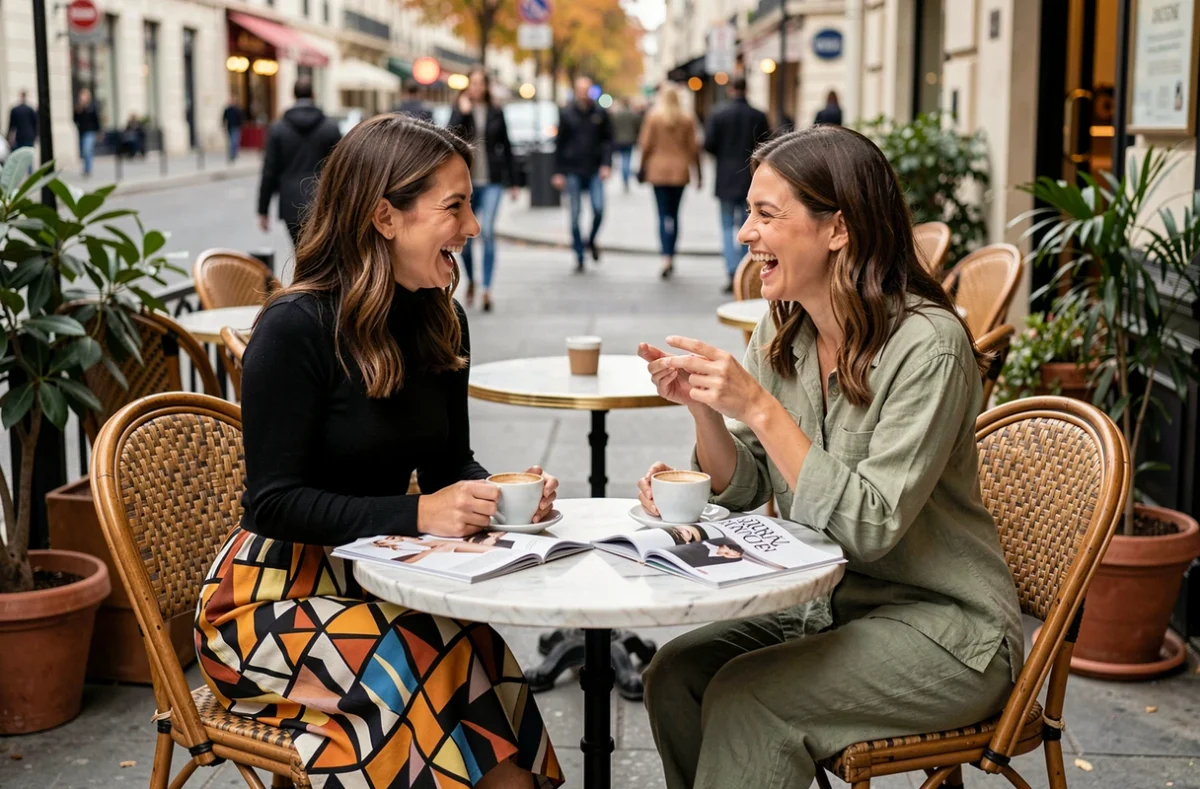
Building a Cohesive Wardrobe Rather Than Accumulating Trends
Second-hand shopping is growing in volume in France, but its real impact depends on the quality of the pieces circulating. Buying a trendy piece second-hand does not constitute a sustainable choice if the garment was designed to last only one season. We observe that the most discerning buyers cross two criteria: stylistic relevance and the structural durability of the garment.
Here are the points to check before integrating a piece into a wardrobe designed to last:
- The exact composition of the fabric: a blend containing at least a majority of natural fibers (cotton, linen, wool) lasts better over time than a low-quality 100% polyester
- The finishes at seams and hems: regular topstitching and clean edges indicate a sufficient level of craftsmanship for several seasons of use
- The compatibility with at least three other pieces already owned, which guarantees a real rotation in the wardrobe
A wardrobe of fifteen well-chosen pieces covers more combinations than a wardrobe of forty poorly matched items. The capsule wardrobe logic, often presented as minimalist, is primarily a method of optimizing available outfits.
Body Shape and Style: Adapting Trends to Your Silhouette
Following fashion trends without considering body shape rarely yields satisfactory results. Oversized volumes, for example, work on elongated silhouettes but can weigh down more compact shapes if the fabric lacks structure.
Here are some concrete guidelines for adapting the key pieces of the season:
- The short jacket structures the bust and defines the waist: it suits A-shaped bodies (hips wider than shoulders) as well as H-shaped bodies (shoulders and hips aligned)
- The straight midi dress visually elongates the silhouette, provided a sufficiently fluid material is chosen to avoid clinging
- The high-waisted trousers with a marked crease slim the leg and work for any body shape, as long as thin fabrics that cling are avoided
- Dark colors on the bottom and light colors on top draw the eye to the face, a simple but underutilized principle
Adapting a trend to your body shape does not mean giving up style, but selecting the version of the piece that works with your proportions. A barrel cut in jeans, for example, does not suit all silhouettes: it’s better to try before buying, including second-hand.
Generic fashion advice often fails because it ignores these physical parameters. The autumn 2026 season offers enough variety in cuts and materials for every body shape to find suitable pieces, without compromising on durability or style.