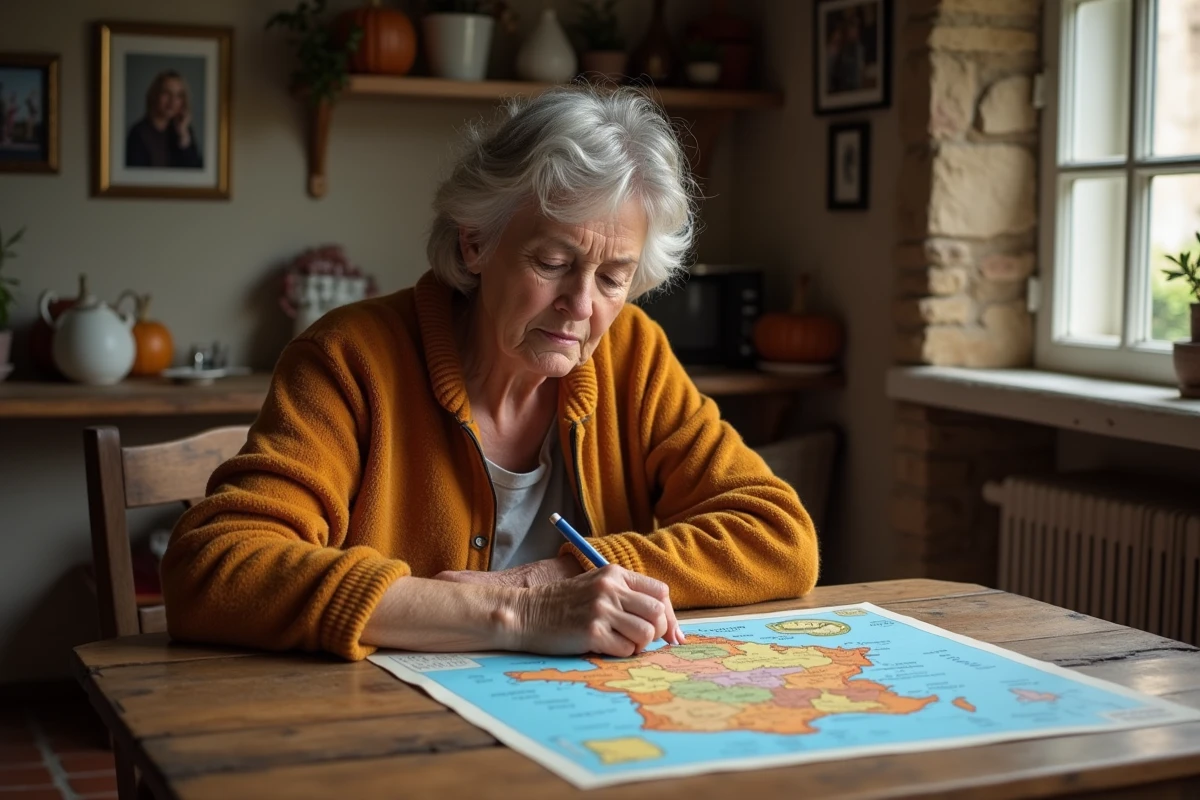
A figure stands out in this era: while France boasts an unprecedented demographic mix, certain regions still cling to inbreeding rates that evoke another century. Statistics from INED and INSERM leave no doubt: the contrast between rural areas and metropolitan regions remains striking.
The breakdown of this phenomenon challenges the most stubborn prejudices about mobility and openness of territories. Even today, several departments exceed the national average, with direct consequences for public health and the richness of genetic heritage.
Inbreeding in France: origins, definitions, and current issues
Inbreeding refers to the union of individuals related, closely or distantly, by blood. Far from being marginal, this practice has long shaped rural life in France, where the circle of possibilities often limited to a few neighboring families. Marriages between first cousins, uncles and nieces, have left indelible marks in collective memory and civil registries. The work of Jean Sutter in the 1950s highlighted the extent of the phenomenon and introduced the concept of inbreeding coefficient, now essential for demographers.
Louis XIV and Maria Theresa of Austria, united more by politics than by love, perfectly illustrate what inbreeding was like among the powerful. But this pattern was equally found in farms, where the extended family outlined the contours of alliances, sometimes to the detriment of genetic diversity.
Today, the map of inbreeding rates in France serves as a reminder of the legacy of these practices. Areas that are less mobile, isolated, or bound by strong community ties display kinship coefficients that exceed the national average. This figure is not just a symbol: it reflects an increased risk of genetic diseases for children born from these unions. The stakes are no longer just about future health, but also about understanding the social forces that maintain, sometimes discreetly, these traditions in certain rural areas.
Which regions show the highest inbreeding rates? Analysis of the national map
As one examines the map of inbreeding rates in France, regional disparities become evident. Rural northern regions, in particular, maintain rates that stand out against the national average. In contrast, major cities, led by Paris, show significantly lower figures, driven by mobility and demographic renewal. This geography is not coincidental: it reflects old social and familial boundaries inherited from a marked rural past.
Here are some revealing examples of this disparity:
- Normandy: in certain areas, demographic studies show an inbreeding coefficient above the average, a consequence of a population that has long been relatively immobile.
- North of France: inbreeding marriages have been more common, particularly in villages, where family ties were reinforced from generation to generation.
Upon closer inspection, the most affected territories share several traits: low population density, a still-vibrant family tradition, and often reduced mobility. Jean Sutter’s analyses show that in these regions, unions between first cousins persist, sometimes dictated by economic imperatives. One finds a society that, to preserve its lands or assets, has preferred internal alliances over mixing.
At a glance, the map reveals a France with multiple faces, where tradition still weighs heavily on demographics. It invites questioning the history of each territory and understanding how, through the dynamics of family alliances, genetic diversity may have been hindered or encouraged.

Health risks and regional factors: what recent studies reveal
Experts are clear: inbreeding increases the likelihood of transmitting genetic diseases and hereditary anomalies. Several studies conducted across France establish a direct link between inbred unions and the emergence of severe pathologies in children. The infamous inbreeding coefficient serves here as a compass to measure this risk within the same lineage.
In territories where the inbreeding rate remains high, often rural, doctors report more recessive diseases: cystic fibrosis, metabolic disorders, rare immune deficiencies. This observation can be explained by the lack of genetic mixing and the repetition of marriages within closely related families.
Several factors explain this situation, including:
- Regional factors: isolation, deeply rooted family traditions, low mobility.
- Observed impacts: increase in genetically related diseases and rising medical burdens for future generations.
In light of these findings, prevention and information are gaining ground. Educational programs and premarital screening initiatives are emerging locally, accompanied by genetic counseling consultations. The goal: to limit the incidence of transmitted diseases and protect the health of future children, while considering the social realities unique to each region.
Ultimately, the map of inbreeding in France outlines a landscape where history, geography, and genetics intertwine. The lines are slowly shifting, but each targeted action hints at a more open future, where genetic heritage could finally enrich itself with new alliances.