
We don’t always realize how a few unpacked boxes, an old forgotten coat, or a collection of books sitting on a shelf can become the nerve of the war during a breakup. However, in France, belongings left in a shared home cannot simply be thrown out on a whim. Regardless of the type of union—marriage, civil partnership, cohabitation—the law protects each person’s property, even when the shared life falls apart. Disposing of material past, even with the best intentions or out of annoyance, exposes one to real risks: respect for the home, recourse to the judge, solid principles. Courts do not care about grudges or the need to move on when it comes to personal possessions.
What the law provides after a separation
Breaking up a couple opens a legal battleground where every item left matters. Separation does not erase property rights: each person retains authority over their belongings until the end, whether it concerns shared appliances or a simple t-shirt on the back of a chair. Without official intervention, protection order, or an explicit decision from the judge, no one can unilaterally decide the future of the other’s possessions. This touches on the heart of the matter, and for those wondering about the limits not to cross, can one put their partner’s belongings outside perfectly summarizes the scope of this protection. A box on the sidewalk, even thrown out of weariness, can lead to unexpected legal actions. The rules are clear: improvising, throwing away, or moving without agreement risks the tort and serious trouble before the judge.
To avoid missteps, certain reflexes are widely agreed upon:
- Encourage discussion to establish how and when to retrieve belongings.
- In case of a deadlock, involve the judge, who can appoint a bailiff or set a precise framework for restitution.
Acting without legal framework simply risks accumulating resentments and legal proceedings. The law adheres to a clear line: the contents of the home are not abandoned to anger, and separation does not alter ownership. Those who act forcefully expose themselves, sometimes more than they realize.
Moving or throwing away an ex’s belongings: serious consequences
When emotions take over, the urge to wipe the slate clean is strong. However, the penal code often qualifies this type of initiative as tort; there may even be a violation of the home if the ex retains legal access to the residence. The penalties are swift: hefty fines, possible entry on the criminal record, payment of damages, all depending on the harm suffered. For the justice system, the disappearance of a simple suitcase or a valuable item remains a serious act.
In practice, it is up to the court to determine what happens to disputed belongings. No anger or haste justifies acting in the shadows. Any action must be based on a judge’s validation or a written agreement; otherwise, the red line is crossed.
Several points regulate these situations, and it is better to keep them in mind:
- Moving belongings: permitted only with the other’s agreement or a court decision.
- Destroying or throwing away at the dump: prohibited without written authorization, under penalty of real sanctions.
The procedure may seem cumbersome, but it remains the only effective shield, even for those who can no longer stand encountering memories at every corner of the shelf. Skipping steps exposes one to having the breakup spiral into court.
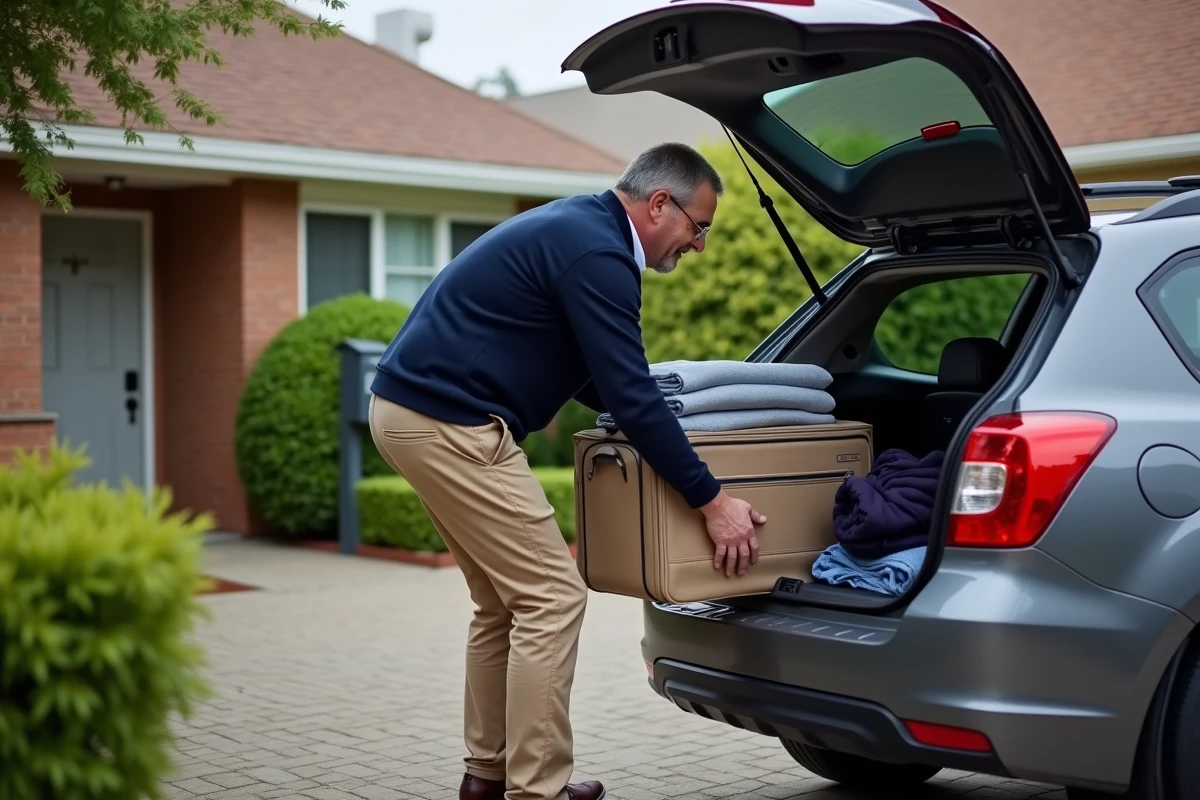
Concrete steps: act while respecting the law (and each other’s dignity)
Forgotten belongings, burdensome ghosts of the past, can sometimes test patience after a separation. But reacting in the heat of the moment risks paying dearly for a blunder. Taking a methodical approach reduces tensions and limits legal detours.
The most serene solution: get in touch, set a reasonable deadline in writing for the retrieval of belongings, and keep every trace of communication. If one party turns a deaf ear, the bailiff becomes the intermediary: they deliver a notice to vacate or grant a specific timeframe for retrieving everything.
As a last resort, the door of the judicial court opens. The judgment may authorize removal under the supervision of a bailiff and grant compensation in case of damage or sanction abusive occupation. Relying on a lawyer helps frame the process, quantify losses, and limit recourse.
Some reflexes avoid unpleasant surprises and limit the risk of disputes over left belongings:
- Always keep emails, registered letters, photos of items, anything that proves the process.
- Going through a bailiff remains the safest way to protect one’s rights and avoid accusations of theft.
- For furniture or valuable items, depositing with a notary or in a commonly accepted place resolves many conflicts.
Keep in mind: nothing, not even the winter truce, hinders each person’s right to recover their belongings. If the housing issue becomes urgent, proposing a temporary accommodation solution while ensuring safety remains possible, especially for health or resource reasons.
Sometimes we think we are turning the page by taking out a box, but often it is the opposite. A poorly set aside object, a memory thrown away too soon: and the conflict drags on, reigniting before the judge when it could have closed respectfully. Not rushing the sorting is also about closing a story without adding unnecessary wounds.